
Green Initiatives in Film: Where Production Is Actually Changing
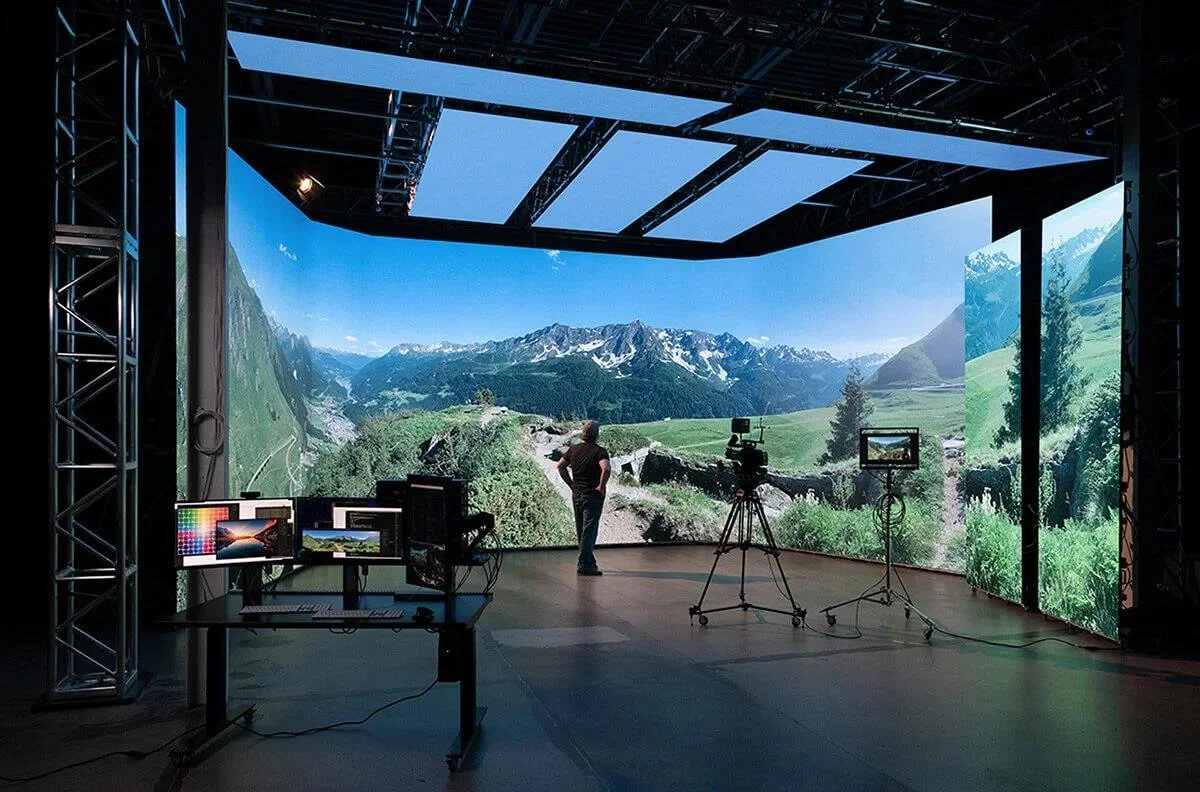
Sustainability in film isn’t a buzzword anymore, it’s becoming part of how productions are planned, budgeted, and executed.
For years, film sets were built around scale: more locations, more travel, more resources. That approach is now being questioned. Not just because of environmental impact—but because it’s inefficient.
Studios, brands, and production teams are shifting toward workflows that do more with less.
The Problem: Traditional Production Is Resource-Heavy
Traditional shoots often require:
Multiple travel days (crew + talent)
Location permits and transport
Set builds that are used once and discarded
High energy consumption from lighting and equipment
All of this adds up—not just in cost, but in environmental impact.
According to industry discussions, production waste and travel remain two of the biggest contributors to a shoot’s carbon footprint.
The Shift: Smarter, More Efficient Production
The industry is starting to rethink how productions are structured.
Instead of scaling bigger, teams are scaling smarter:

Whatever it is, the way you tell your story online can make all the difference.
Reducing travel by consolidating shoots
Reusing environments and digital assets
Using energy-efficient lighting systems
Minimizing physical set builds
One of the biggest contributors to this shift?
Virtual production.
Where Virtual Production Fits In
Virtual production is playing a major role in this shift.
By using LED walls and real-time environments, productions can:
Shoot multiple “locations” in one place
Reduce travel for crew and equipment
Avoid large, single-use set builds
Capture final visuals in-camera
That means fewer resources used—and faster results.
The Bigger Industry Movement
Sustainability is becoming part of how productions are evaluated—not just creatively, but operationally.
Across the industry, there’s growing focus on:
Reducing carbon-heavy workflows
Building scalable production systems
Using technology to cut waste without sacrificing quality
This shift is moving production from excess → efficiency

